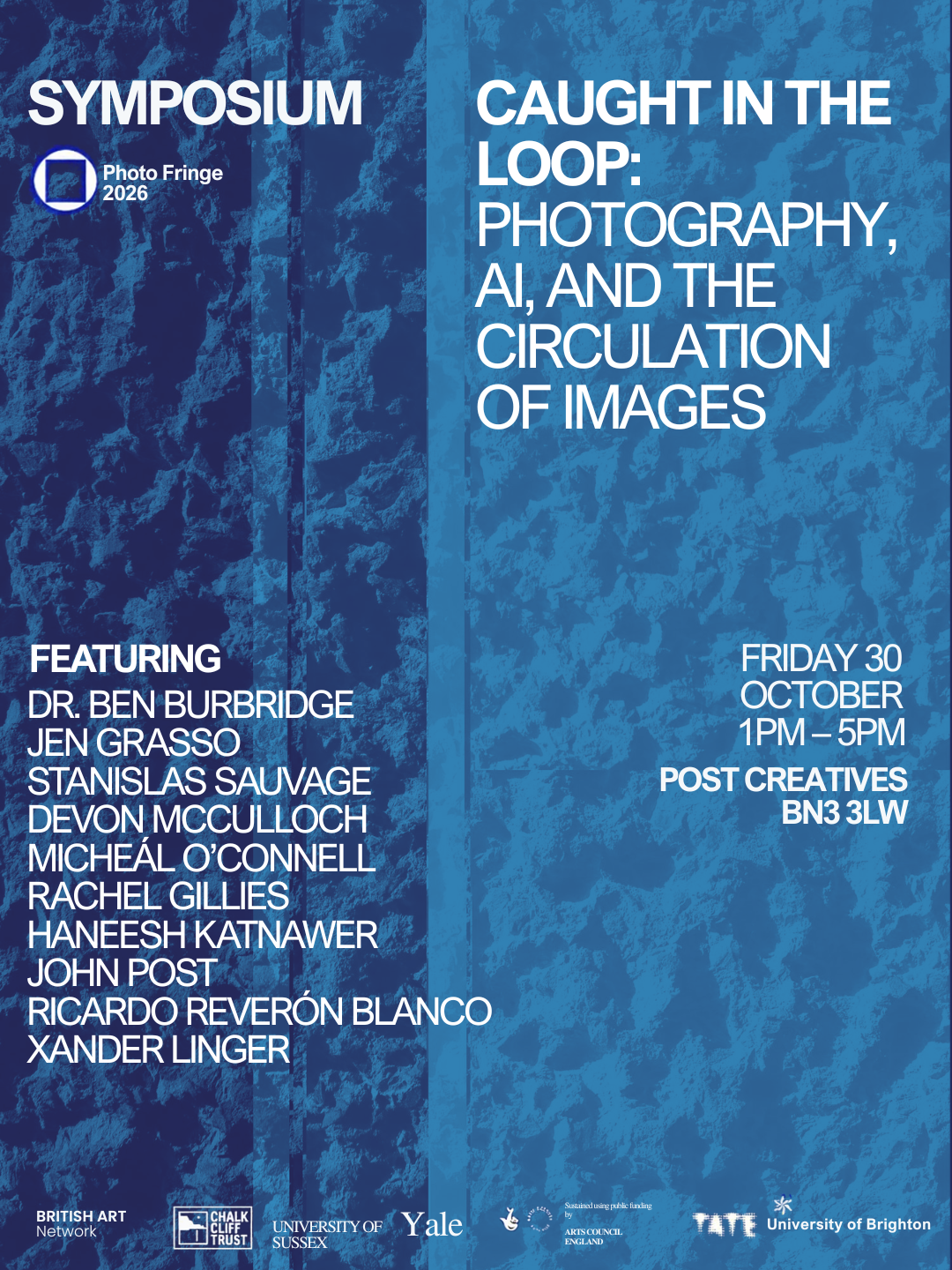
Caught in the Loop: Photography, AI, and the Circulation of Images (Photo Fringe 2026, Symposium)
This symposium offers a focused, research-led exploration of photography as a feedback loop of production: an iterative process in which images are continuously generated, circulated, recombined, archived and reactivated across artistic practice, computational systems and institutional infrastructures.
In contemporary visual culture, photography no longer operates as a linear process of capture → edit → publish. Instead, it exists within a recursive ecology shaped by AI image generation, platform circulation, archival reuse and reappropriation, and algorithmic indexing.
Bringing these ideas into conversation, the symposium asks: how do images now produce further images? And what happens to photographic practice as it becomes increasingly entangled with systems of computation, data and institutional mediation?
Join us to explore these questions and consider how photography is being transformed by the systems through which images are made, encountered, circulated and remembered.
In partnership with POST, University of Sussex and University of Brighton.
Co-ordination Support Ola Teper
TICKETS
£5 + booking fee - Symposium only
£7.50 + booking fee - Symposium + Photo Fringe Closing Party
Funds raised from ticket sales go directly to Photo Fringe to make the festival happen and ensure its future.
EVENT PROGRAMME
1:00–1:10 | Welcome
Ricardo Reverón Blanco
1:10–1:30 | Ben Burbridge
‘I love the positive feedback loop between rave as study object and as organizing principle for a participatory archive’: Imagining a Post-Rave Britain Archive
1:30–1:50 | Jen Grasso
The Glass Plates Project: Increasing Access to Archive Collections Using Artificial Intelligence and Machine Learning
1:50–2:00 | Questions
2:00–2:20 | Stan Sauvage
The Photographer’s Anxiety at the Shutter Release: Material Friction in an Automated Image Culture
2:20–2:40 | Devon McCulloch
Caught and Composed: Reanimating the Passport Photograph as Historical Evidence and Photographic Artefact
2:40–2:50 | Questions
2:50–3:20 | Break
3:20–3:40 | Micheál O’Connell
From Impressionism to Compression etc.: AI in the Image
3:40–4:00 | Rachel Gillies
Everything nowhere all at once: layering and repetition in contemporary photography
4:00–4:10 | Questions
4:10–5:00 | Panel Discussion
Bury After Reading: The Afterlife of Images by The Sustainable Darkroom
Ricardo Reverón Blanco, Haneesh Katnawer and John Post, chaired by Xander Linger and Ben Burbridge.
What happens to an image after we’ve seen it? Bringing together an editor and three contributing writers, this panel explores the lives and afterlives of images: how they are made, shared, transformed, forgotten or reincarnated. Through questions of philosophy, ethics and collaborative editorial practice, the conversation asks what responsibilities we have towards images, and whether we can imagine more thoughtful ways of creating, circulating and letting them go.
Poster Image: Stanislas Sauvage, 4 bed flat for sale Lauderdale Tower, Barbican, London EC2Y £2,250,000, 2024
Speakers and Panellists
Ben Burbridge
Ben Burbridge is a writer, curator, and interdisciplinary scholar of modern and contemporary visual culture. His research examines the recent histories, present conditions, and possible futures of cultural politics, with a particular focus on relationships between capitalism and visual culture after 1989.
Instagram: @ben.burbridge
Jen Grasso
Jen Grasso is the Digital Content Systems Co-Ordinator at the University of Brighton Design Archives. Her research is informed by archival and artistic practices and engages with topics such as the use of technology to increase access to culture and heritage, community archives, and fringe photographic media, particularly photobooth photography.
Instagram: @brightonphotobooth and UoBDA @uob_design_archives
Stanislas Sauvage
Stanislas Sauvage is a French photographer and visual artist based in Brighton, UK. Shaped by experiences across West Africa and Southeast Asia, his practice explores displacement, identity, and lived experience. Working across photography and expanded forms, he examines the image as document, material, and spatial object, considering process and perception.
Instagram: @stan.sauvage
Devon McCulloch
Devon McCulloch is a multi-disciplinary artist whose work explores and uses modern technology in unconventional ways, including but not limited to X-Rays, medical paraphernalia and historical documents such as passports, and ID cards. These investigations operate within the genre of anti-
portraiture: portraits that reject art historical conventions to challenge assumptions about representation and subjectivity.
Instagram: @devon_mcculloch_illustration
Micheál O’Connell
Micheál O’Connell is an Irish artist and academic. His practice involves 'interfering with' everyday systems through the misuse and repurposing of technological, bureaucratic, and infrastructural processes. These range from photographic, surveillance, bureaucratic and digital systems to heavier infrastructures like transport networks. These activities are developed through exhibitions, moving image, writing and live events.
Instagram: @mocksim
Rachel K Gillies
Rachel K Gillies is an artist and educator. She is currently Senior Lecturer in Photography at the University of Brighton, UK. Her current practice engages with contemporary photography as it responds to digital process and forefronts an abstract aesthetic, questioning ways in which non-representational images can make meaning.
Instagram: @rachelkgillies
Haneesh Katnawer
Haneesh Katnawer is a writer, researcher and social entrepreneur based in the lower Shivalik Himalayas of Himachal Pradesh. Through Himalayan Hemp and the community media hub Kutaj, his work gives agency to living systems, whether plants, caste communities, or images, asking how they carry their own logic of creation, persistence, and dissolution beyond institutional memory. He practices what he calls method writing: essays and fables drawn from dream sequences and everyday scenarios rooted in his distinct socio-economic experience of nineteen years in a remote rural village and fifteen years in urban India. He holds the Himal Prakriti Storytelling Fellowship 2025-26 and a patent for World's 1st reusable hemp sanitary pads.
Instagram: @meleorist_katna
Xander Linger
Xander Linger is an emerging photographic artist currently living and working on beautiful Dharug/Gundungurra Country in NSW, Australia. Coming from a background in philosophy and work as a film lab technician, Xander became disillusioned about the sheer amount of ‘waste’ involved with making a photograph and the disconnect this created with the stories he was trying to tell. He was immediately drawn to the innovative ideas and techniques of the Sustainable Darkroom, where he now works as Education and Outreach Officer. Currently also studying to become a teacher, Xander’s photographic work explores ideas of pedagogy, duration and how these are influenced by the Indigenous perspectives of his local communities.
Instagram: @xanderlinger
John Post
John Post is a photographer and researcher based in Dundee, Scotland. His practice explores digital intimacies and how photographs mediate empathy and power, particularly in representations of queer men. He holds a PhD in Art and Design from Ulster University and is a Research Associate at the University of Stirling, where his recent research considers Polaroid photography as a means of encountering and making sense of place. His wider interests include the cultural and social sustainability of photography, questioning how the abundance and continuous circulation of images affect our capacity for meaningful encounters.
Instagram: @postj84
Date and time
-
Friday 30 October 2026
Related exhibitions
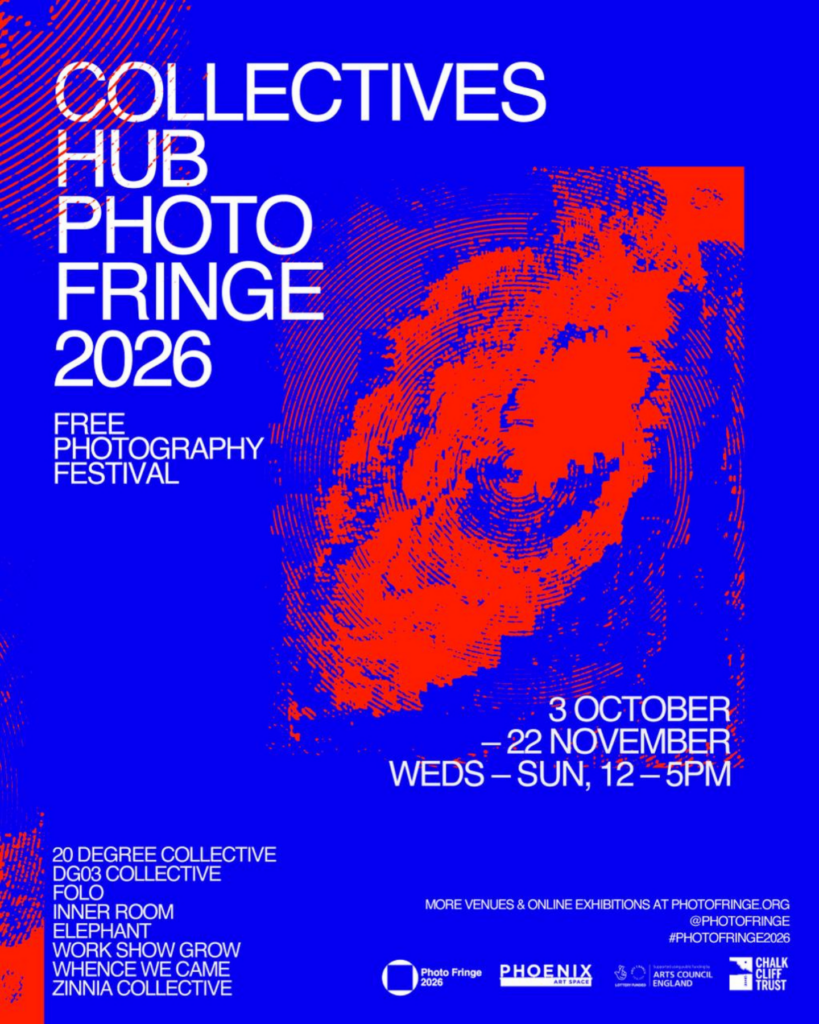
Collectives Hub 2026
Phoenix Art Space
Newhaven Open
BN9 Marine Workshops, Newhaven

Newhaven Open: OPEN26 Young Photographers
BN9 Marine Workshops, Newhaven
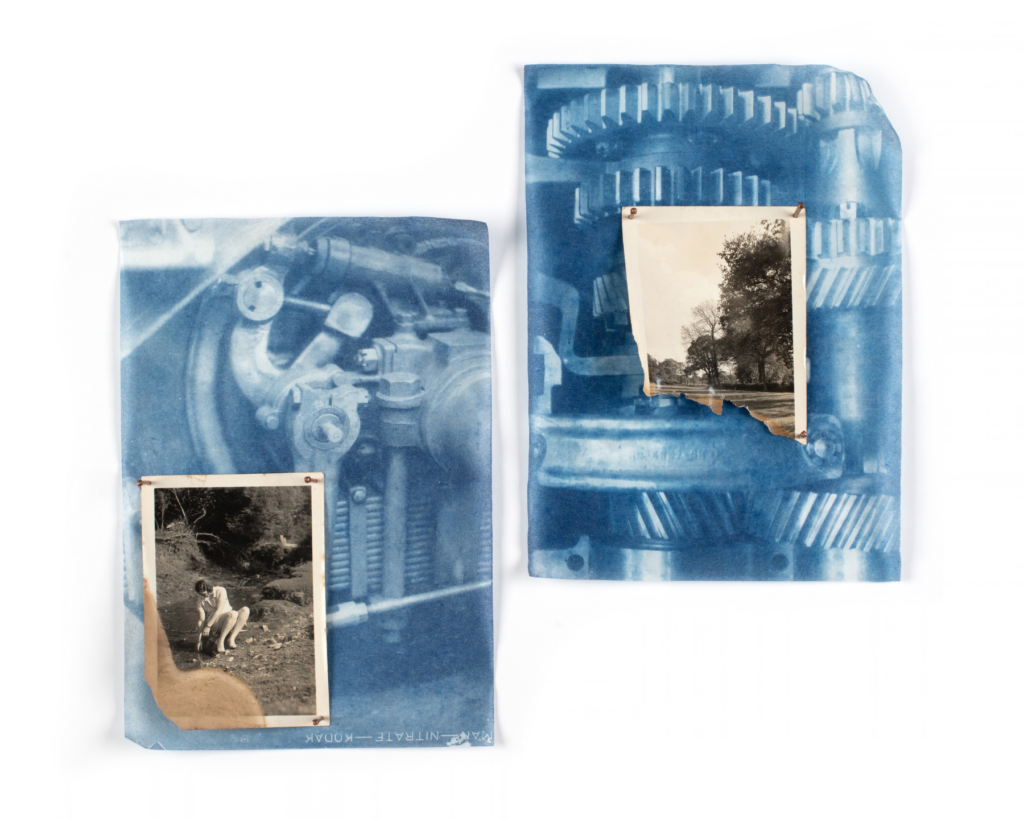
Portsmouth Open: Archival Loops
Art Space, Portsmouth